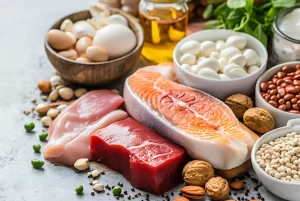



The Truth About Metabolism Reset: What Science Actually Supports

- Reset your metabolism in 7 days.
- Fix a broken metabolism.
- Activate fat-burning mode instantly.
If you’ve scrolled through fitness Instagram, YouTube, or reels, you’ve seen these promises everywhere. They sound tempting—especially when weight loss feels stuck.
But here’s the real question most people are asking (and Googling):
Can your metabolism really be “reset,” or is this just smart marketing?
Let’s separate fact from fiction.
What Is Metabolism—Really?
Your metabolism isn’t a switch you turn on or off. It’s the total of all chemical processes that keep your body alive and functioning, including:
- Basal Metabolic Rate (BMR): Calories burned to breathe, circulate blood, and maintain organs
- Activity-related burn: Exercise and daily movement
- Thermic effect of food: Energy used to digest and absorb what you eat
Your metabolism adapts to habits over time—but it doesn’t suddenly “break” or require a dramatic reboot.
Common “Metabolism Reset” Myths (and the Truth)
Myth 1: Detoxes and Cleanses Reset Your Metabolism
Juice cleanses, detox teas, and fasting drinks claim to flush toxins and restart fat burning.
Reality:
Your liver and kidneys already detox your body 24/7. Most extreme cleanses actually:
- Slash calories too aggressively
- Temporarily slow metabolic rate
- Increase muscle loss
- Lead to rebound weight gain
Feeling lighter after a detox is usually water loss—not fat loss or metabolic improvement.
Myth 2: Eating Very Little Speeds Up Fat Loss
Many people believe eating less will “shock” the body into burning fat.
Reality:
Severe calorie restriction does the opposite:
- Your body burns fewer calories to survive
- Hunger hormones increase
- Energy, mood, and workout performance drop
This is why crash diets work briefly—and then fail hard.
Myth 3: Supplements Can Reset Your Metabolism
Fat burners and thermogenic pills promise effortless results.
Reality:
Most supplements:
- Have minimal or short-term effects
- Rely heavily on caffeine or stimulants
- Do nothing for long-term metabolic health
No supplement replaces consistent habits.
What Actually Improves Metabolism (Science-Backed)
1. Build (or Preserve) Muscle
Muscle tissue burns more calories than fat—even at rest.
Strength training:
- Raises resting metabolic rate
- Prevents slowdown during weight loss
- Improves insulin sensitivity
You don’t need daily heavy lifting. 2–4 strength sessions per week is enough to see real change.
2. Eat Enough—Especially Protein
Under-eating is one of the fastest ways to slow metabolism.
What helps:
- Adequate calories for your body size and activity
- High-protein intake (supports muscle and satiety)
- Balanced meals instead of constant restriction
Protein also has a higher thermic effect—your body burns more calories digesting it.
3. Prioritise Sleep (Non-Negotiable)
Poor sleep disrupts hormones that control hunger and energy use.
Chronic sleep loss:
- Reduces metabolic efficiency
- Increases cravings
- Lowers workout performance
7–9 hours of quality sleep is one of the most underrated metabolism boosters.
4. Move More Outside the Gym
Workouts matter—but daily movement matters even more.
Non-exercise activity (walking, standing, daily chores):
- Burns hundreds of extra calories daily
- Keeps metabolism responsive
- Prevents long sedentary stretches
Think lifestyle movement, not just gym sessions.
5. Give Your Body Time to Adapt
Your metabolism changes slowly—not overnight.
A real “reset” looks like:
- Gradual fat loss
- Stable energy levels
- Improved strength
- Sustainable eating patterns
Consistency always beats intensity.
What a Real Metabolism “Reset” Actually Means
There’s no switch. No cleanse. No miracle week.
A real metabolism reset is:
- Fueling your body properly
- Training muscles consistently
- Sleeping enough
- Managing stress
- Staying patient long enough for adaptation
It’s less exciting than internet hype—but far more effective.
Final Takeaway
If someone promises a fast metabolism reset, be skeptical.
If a method focuses on habits, recovery, strength, and nourishment—you’re on the right path.
Your metabolism doesn’t need punishment.
It needs support.