


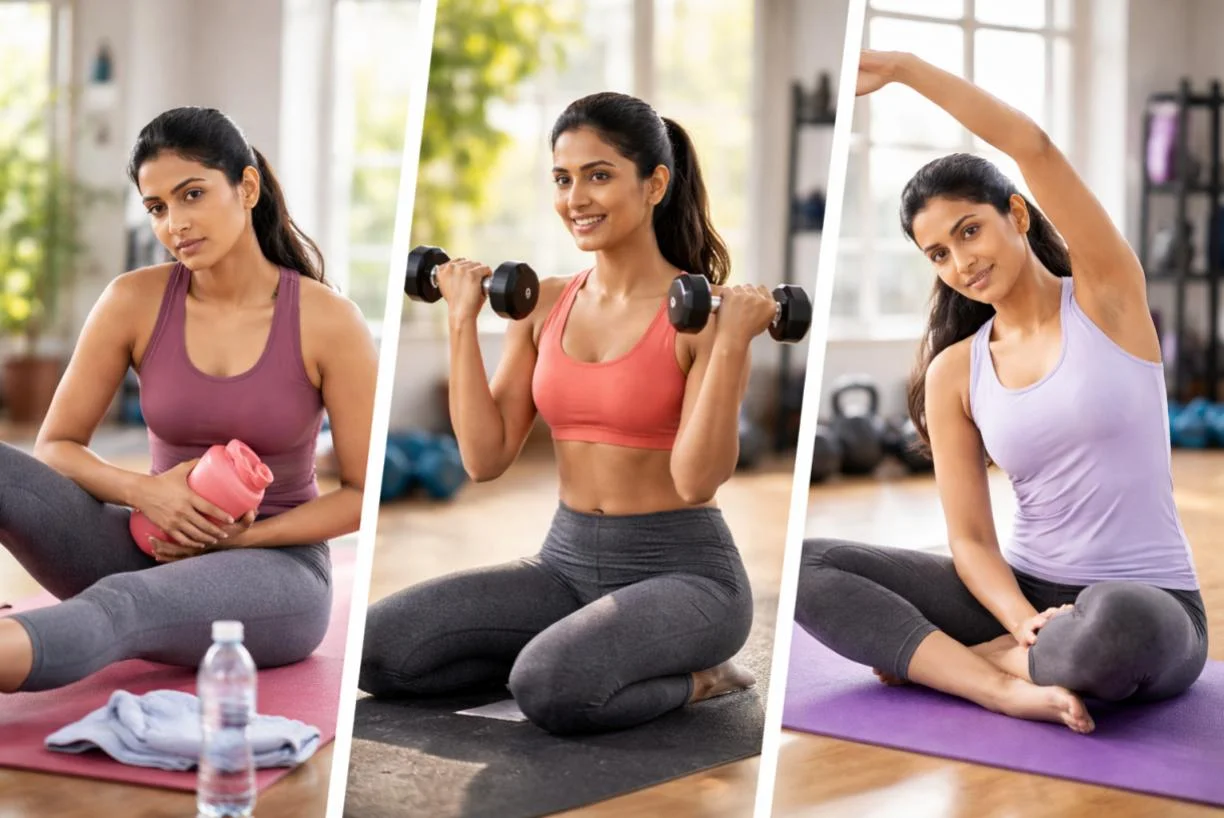
How Women Can Unlock Better Results With Cycle Syncing
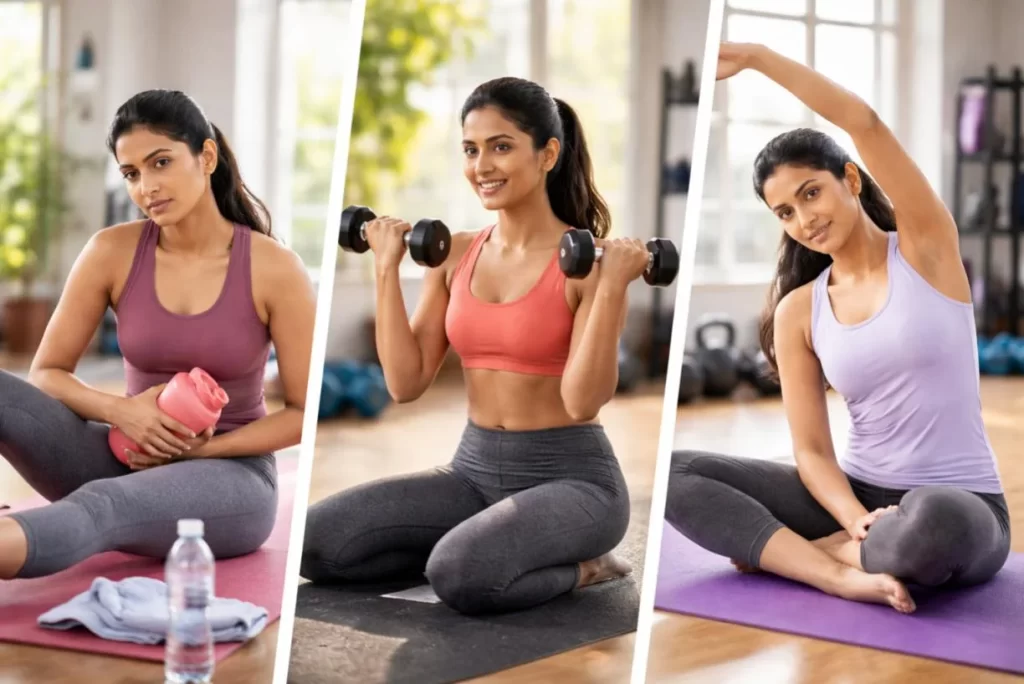
For decades, most fitness advice has followed a one-size-fits-all approach—largely built around male physiology.
But here’s the truth:
Women are not designed to perform the same way every single day of the month.
Your body runs on a natural hormonal rhythm. These shifts influence your:
- Strength
- Energy levels
- Recovery speed
- Fat loss efficiency
- Even injury risk
Ignoring this doesn’t make you “hardcore.” It makes your training inefficient.
When you align your workouts with your menstrual cycle instead of fighting against it, you unlock better performance, faster progress, and long-term consistency.
The Science (Made Simple)
Your menstrual cycle (typically ~28 days) is driven mainly by two key hormones:
- Estrogen → Supports strength, muscle building, recovery, and insulin sensitivity
- Progesterone → Raises body temperature, increases fatigue, and can reduce performance
These hormones don’t stay constant—they rise and fall in phases. And your training should evolve with them.
Phase 1: Menstrual Phase (Days 1–5)
Low Hormones = Low Pressure
This is when your period begins. Both estrogen and progesterone are at their lowest.
What you may feel:
- Low energy
- Cramps or discomfort
- Reduced motivation
How to train:
- Light movement (walking, mobility, yoga)
- Optional: very light strength training if you feel okay
Key mindset:
This is not the time to chase PRs. This is the time to respect recovery.
Phase 2: Follicular Phase (Days 6–14)
Rising Energy = Best Time to Build Strength
Estrogen starts increasing—and this is where things start working in your favor.
What happens:
- Improved insulin sensitivity
- Better mood and focus
- Faster recovery
How to train:
- Strength training (your strongest phase for progress)
- Progressive overload
- Skill-based training (learning new lifts, improving form)
Why it matters:
Your body is primed for muscle growth and performance. Those workouts that feel “too easy”? This is why.
Phase 3: Ovulation (Around Day 14)
Peak Performance Window
Estrogen peaks here—this is your biological advantage phase.
What you may notice:
- Maximum strength
- High confidence
- Explosive power
How to train:
- Heavy lifts
- Power training (sprints, jumps)
- Go for personal bests
Important caution:
Hormonal changes may increase ligament laxity, which slightly raises injury risk. Focus on proper warm-ups and perfect form.
Phase 4: Luteal Phase (Days 15–28)
Train Smart, Not Hard
Progesterone rises, shifting your body into a more conservative state.
What you may feel:
- Increased fatigue
- More hunger and cravings
- Lower stress tolerance
How to train:
- Moderate strength training
- Slightly reduce intensity
- Increase rest periods
- Add low-intensity cardio
Late luteal phase (pre-period):
This is when symptoms peak for many women. Adapt your training—don’t force intensity.
Why Training With Your Cycle Works
When you align your workouts with your hormones, you:
- Perform better when your body is ready
- Avoid burnout and overtraining
- Support hormonal balance
- Reduce injury risk
- Stay consistent long-term
Instead of constantly pushing, you start progressing intelligently.
What Happens If You Ignore Your Cycle?
- Some workouts feel amazing, others feel terrible (with no clear reason)
- Progress stalls despite effort
- Fatigue and cravings increase
- Motivation drops
- Higher chance of quitting
This isn’t a discipline problem. It’s a programming problem.
A Smarter Training Strategy
Stop thinking in rigid weekly plans. Start thinking in phases:
- Follicular + Ovulation → Push hard, build strength
- Early Luteal → Maintain performance
- Late Luteal + Menstrual → Recover and reset
This flexible approach is:
- More sustainable
- More realistic
- Far more effective
NuFitLife’s Thought
Women don’t need to train less. They need to train smarter.
Your menstrual cycle isn’t a limitation. It’s a built-in performance guide.
Use it correctly, and your body will reward you with:
- Better strength
- More consistency
- Faster, more sustainable results
No generic plan can compete with that.
FREQUENTLY ASKED QUESTIONS
All the essentials to get started!
Yes. Hormonal changes throughout the menstrual cycle can influence strength, energy, recovery, appetite, and performance. Adjusting workout intensity based on cycle phases helps many women train more effectively, improve recovery, and maintain consistency instead of forcing the same intensity every day.
The follicular phase and ovulation phase are often considered the strongest performance windows for many women. Rising estrogen levels during these stages may improve energy, recovery, insulin sensitivity, and strength output. This is often an ideal time to focus on progressive overload and performance goals.
Exercise during your period is generally safe and can even help reduce symptoms like cramps, low mood, and fatigue. However, training should match how your body feels. Walking, mobility work, yoga, or lighter workouts may feel better during lower-energy days. Learning to adapt instead of forcing intensity supports long-term consistency, a principle used in structured fitness coaching programs.
Workout performance can fluctuate because estrogen and progesterone rise and fall throughout the menstrual cycle. These hormonal shifts affect energy, recovery, body temperature, cravings, and stress tolerance. Understanding these patterns helps explain performance changes and removes the frustration of feeling “off” without a clear reason.
Yes. Cycle-based training may improve consistency, recovery, and workout quality by aligning exercise with hormonal changes. Rather than pushing maximum intensity all month, adjusting training to match your body’s needs can support sustainable progress. Similar science-backed strategies are explored throughout the NuFitLife fitness blog library and women-focused education content.





Comments are closed