


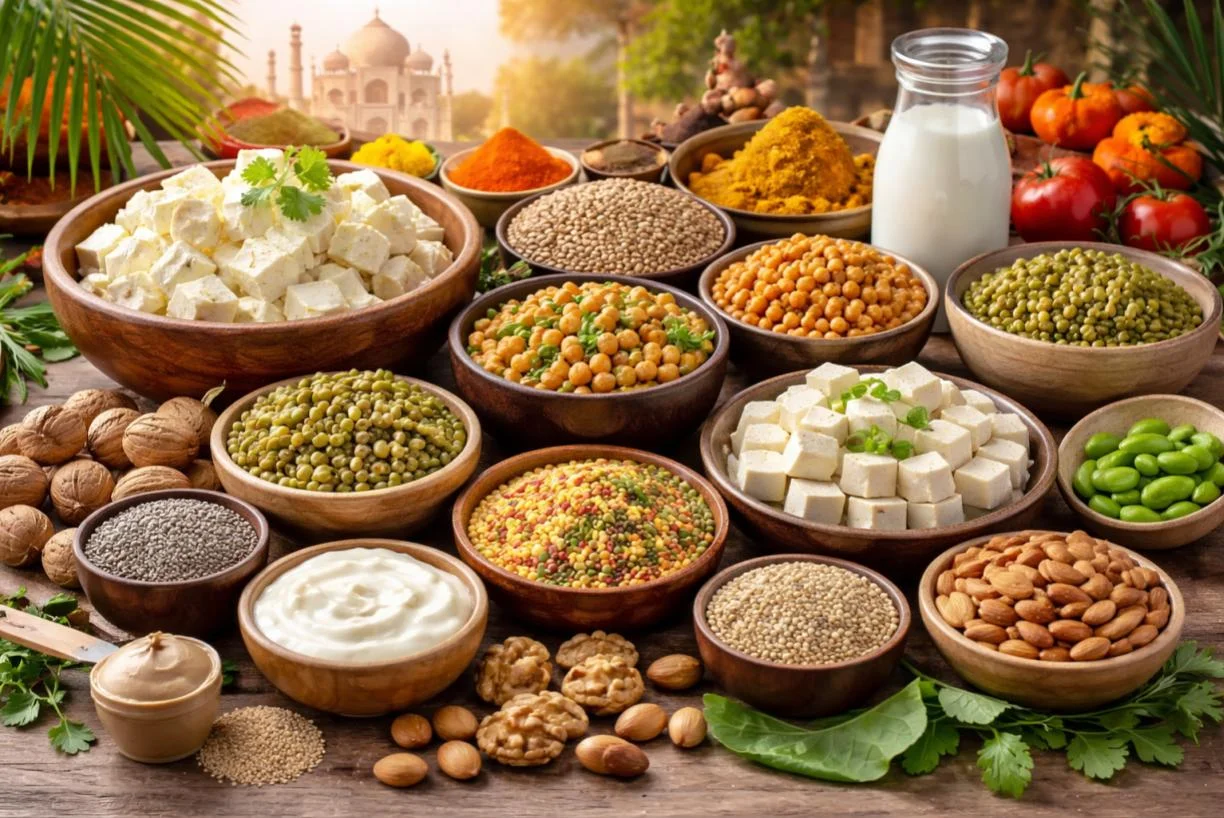
10 Surprising Vegetarian Protein Foods You Need in India
Think you need chicken, fish, or eggs to get enough protein?
You’re not alone.
One of the biggest concerns among vegetarians is whether they’re meeting their daily protein needs—especially if they’re trying to lose weight, build muscle, or stay active.
The good news?
A well-planned vegetarian diet can provide all the protein your body needs.
From paneer and tofu to lentils, dairy, soy, and legumes, India offers plenty of affordable, nutritious, and protein-rich foods. The key is understanding how much protein you need, where to get it, and how to include it consistently throughout the day.
Whether you’re a lifelong vegetarian or simply looking to eat more plant-based meals, this guide will help you make smarter food choices without changing your lifestyle.
Why Is Protein So Important?
Protein isn’t just for bodybuilders.
It’s an essential nutrient that supports nearly every system in your body.
Protein helps:
- Build and repair muscles
- Preserve muscle during weight loss
- Keep you full for longer
- Support healthy bones
- Produce enzymes and hormones
- Improve workout recovery
- Maintain a healthy metabolism
- Support immune function
Without enough protein, you may experience:
- Frequent hunger
- Low energy
- Slower recovery after exercise
- Difficulty building or maintaining muscle
- Reduced strength and performance
Simply put, protein is one of the most important nutrients for long-term health and fitness.
How Much Protein Do You Actually Need?
Your protein needs depend on your body weight and activity level.
| Activity Level | Daily Protein Recommendation |
| Sedentary adults | 0.8–1.0 g/kg body weight |
| Regular exercisers | 1.2–1.6 g/kg |
| Muscle building or intense training | 1.6–2.2 g/kg |
Example:
A person weighing 70 kg who exercises regularly should aim for approximately 85–110 grams of protein per day.
Remember, these are general recommendations. Individual needs vary based on age, goals, and overall health.
Complete vs. Incomplete Proteins: Do Vegetarians Need to Worry?
One common concern is whether plant-based proteins are “complete.”
A complete protein contains all nine essential amino acids your body cannot produce on its own.
Foods like:
- Milk
- Paneer
- Greek yogurt
- Soy products
These are naturally complete protein sources.
Many plant foods such as lentils, beans, and grains contain different amino acid profiles. The good news is that you don’t need to combine them in the same meal. Eating a variety of protein-rich foods throughout the day provides your body with everything it needs.
The takeaway?
Variety matters more than perfection.
10 Best Vegetarian Protein Sources in India
1. Paneer
Protein: 18–20 g per 100 g
Paneer is one of India’s most popular vegetarian protein sources. It’s filling, versatile, and easy to include in lunches, dinners, or snacks.
Best for: Muscle gain, weight management, balanced meals
2. Greek Yogurt (Hung Curd)
Protein: 10 g per 100 g
Compared with regular curd, Greek yogurt contains significantly more protein while also providing probiotics and calcium.
Best for: Breakfast, evening snacks, post-workout meals
3. Milk
Protein: 8 g per 250 ml
Milk provides high-quality protein along with calcium and vitamin B12.
Pair it with oats or fruit for a balanced breakfast or recovery drink.
4. Soya Chunks
Protein: 50–52 g per 100 g (dry weight)
Soya chunks are among the highest-protein vegetarian foods available.
They’re affordable, easy to prepare, and an excellent choice for increasing daily protein intake.
5. Tofu
Protein: 8–10 g per 100 g
Tofu is a versatile, lower-calorie alternative to paneer that works well in curries, stir-fries, salads, and wraps.
6. Lentils (Dal)
Protein: 8–10 g per cooked cup
Dal is a staple in many Indian households. While nutritious, it isn’t especially high in protein on its own.
For a more protein-rich meal, pair dal with dairy, soy products, or other legumes.
7. Chickpeas (Chana)
Protein: 14–15 g per cooked cup
Rich in protein, fiber, and complex carbohydrates, chickpeas are perfect for curries, salads, or roasted snacks.
8. Rajma (Kidney Beans)
Protein: 15 g per cooked cup
Rajma is packed with protein, fiber, and slow-digesting carbohydrates that help keep you full for longer.
9. Moong Dal
Protein: 14 g per cooked cup
Easy to digest and highly versatile, moong dal works well in soups, khichdi, chillas, and sprouts.
10. Peanuts
Protein: 7 g per 30 g serving
Peanuts are a convenient, protein-rich snack that also contains healthy fats. Enjoy them in moderation due to their calorie density.
Quick Comparison: High-Protein Vegetarian Foods
| Food | Protein |
| Soya chunks (100 g dry) | 50–52 g |
| Paneer (100 g) | 18–20 g |
| Rajma (1 cup cooked) | 15 g |
| Chickpeas (1 cup cooked) | 14–15 g |
| Moong dal (1 cup cooked) | 14 g |
| Greek yogurt (100 g) | 10 g |
| Dal (1 cup cooked) | 8–10 g |
| Tofu (100 g) | 8–10 g |
| Milk (250 ml) | 8 g |
| Peanuts (30 g) | 7 g |
Can You Build Muscle on a Vegetarian Diet?
Absolutely. Many elite athletes, powerlifters, and bodybuilders thrive on vegetarian diets.
Muscle growth depends on:
- Eating enough protein
- Consuming enough total calories
- Progressive strength training
- Quality sleep and recovery
- Consistency over time
Your muscles don’t know whether protein came from chicken or paneer—they simply need enough amino acids to recover and grow.
Common Protein Myths
Myth 1: Vegetarians Can’t Build Muscle
Fact: Muscle growth depends on total protein intake, training, recovery, and calories—not whether you eat meat.
Myth 2: Dal Alone Is Enough
Fact: Dal is nutritious but relatively low in protein per serving. Including paneer, tofu, soy, dairy, or legumes throughout the day helps you meet your protein needs more easily.
Myth 3: Everyone Needs Protein Powder
Fact: Most healthy adults can meet their protein needs through whole foods. Protein powder is simply a convenient option when daily requirements are difficult to achieve.
Myth 4: High Protein Damages Healthy Kidneys
Fact: Current research shows no strong evidence that protein intakes within recommended ranges harm kidney function in healthy individuals. If you have existing kidney disease, consult your healthcare provider before increasing protein intake.
Simple Ways to Eat More Protein Every Day
You don’t need to overhaul your diet. Small, consistent changes can make a big difference.
Try these simple habits:
- Include a protein source with every meal.
- Replace regular curd with Greek yogurt.
- Add paneer or tofu to vegetable dishes.
- Cook with soya chunks once or twice a week.
- Choose roasted chana instead of processed snacks.
- Plan meals instead of relying on convenience foods.
Sample High-Protein Vegetarian Indian Day
| Meal | Example |
| Breakfast | Moong dal chilla with curd |
| Mid-morning | Greek yogurt with fruit |
| Lunch | Dal, paneer, vegetables, roti |
| Evening snack | Roasted chana or milk |
| Dinner | Tofu or soya curry with vegetables and rice |
This approach naturally spreads protein throughout the day, helping improve satiety, recovery, and muscle maintenance.
Key Takeaways
If you remember only five things, make them these:
- Include protein in every meal.
- Aim for your daily protein target—not just one high-protein meal.
- Eat a variety of protein-rich vegetarian foods.
- Combine good nutrition with regular strength training.
- Focus on consistency rather than perfection.
Final Thoughts
A vegetarian diet can provide all the protein you need for weight loss, muscle gain, and long-term health—when it’s planned well.
Instead of worrying about what you can’t eat, focus on what you can include:
- Paneer
- Tofu
- Soya chunks
- Greek yogurt
- Milk
- Lentils
- Rajma
- Chickpeas
- Moong dal
Combined with balanced meals, regular strength training, and healthy lifestyle habits, these foods can help you achieve your fitness goals without switching to a non-vegetarian diet.
Remember: The best vegetarian diet isn’t the one with the most restrictions—it’s the one you can consistently follow while meeting your protein needs.
FREQUENTLY ASKED QUESTIONS
All the essentials to get started!
Include a protein source in every meal, such as paneer, tofu, Greek yogurt, milk, soya chunks, lentils, chickpeas, or rajma. Spreading your protein intake across the day makes it easier to meet your daily requirements.
Soya chunks, paneer, tofu, Greek yogurt, milk, lentils, rajma, chickpeas, and moong dal are among the best vegetarian protein sources. Combined with strength training and adequate calories, they effectively support muscle growth.
Most adults need 0.8–1.0 grams of protein per kilogram of body weight each day. People who exercise regularly generally benefit from 1.2–1.6 g/kg, while those aiming to build muscle may require 1.6–2.2 g/kg.
Yes. A well-planned vegetarian diet that provides sufficient protein, adequate calories, and regular resistance training can successfully support muscle growth and recovery.
Not necessarily. Most people can meet their protein requirements through whole foods. Protein powders can be useful for convenience but are not essential if your daily protein target is met through your diet.







Comments are closed