


The Gut Health–Weight Loss Link: What New Research Shows
If you’ve spent any time on social media recently, you’ve probably seen claims like:
“Heal your gut and the weight will melt away.”
“Drink this probiotics every morning to lose belly fat.”
“Reset your gut in seven days.”
These promises sound appealing—but they’re not supported by strong scientific evidence.
The truth is more interesting.
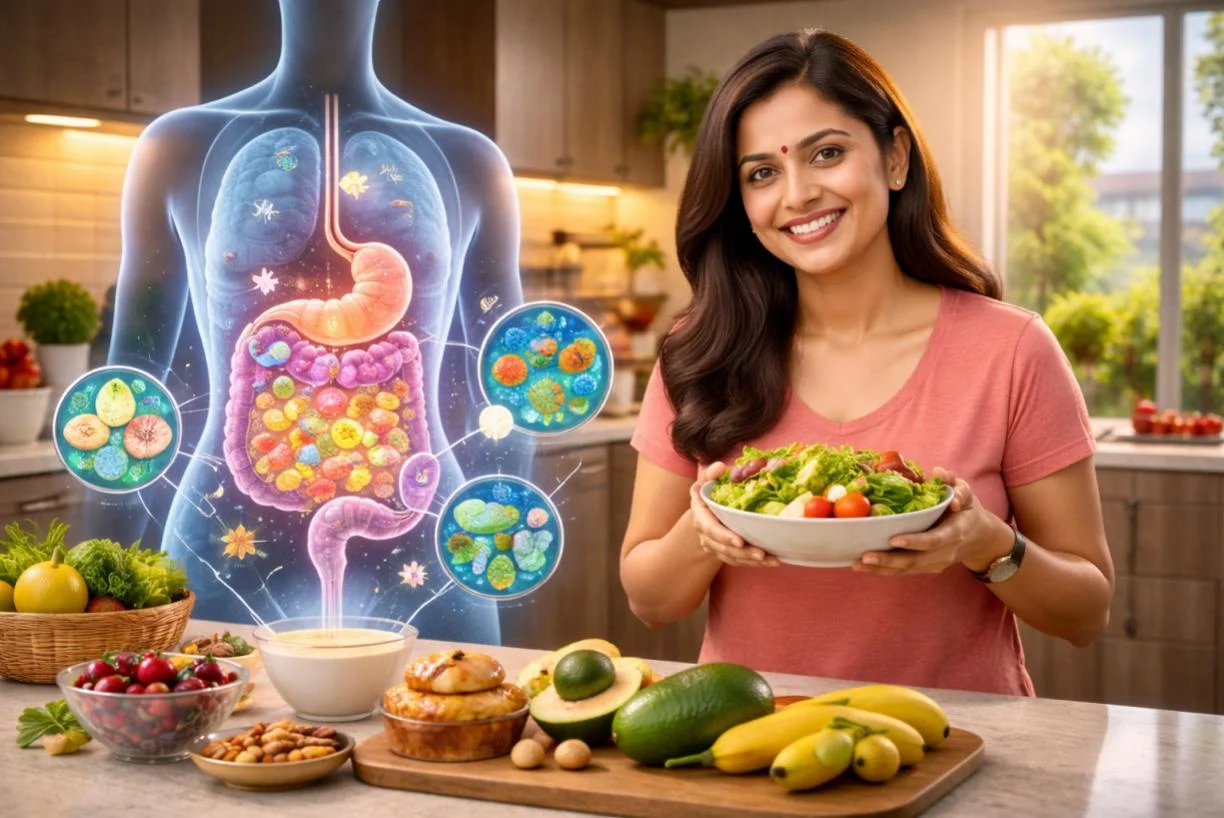
Your gut is home to trillions of bacteria, fungi, and other microorganisms, collectively known as the gut microbe. These microbes influence digestion, immunity, nutrient metabolism, and even the hormones that affect hunger and fullness.
Researchers are discovering fascinating links between gut health and body weight.
But here’s the key:
A healthier gut can support your weight-loss journey—but it doesn’t replace a calorie deficit, nutritious eating, or regular exercise.
Let’s explore what current science actually tells us.
What Is Gut Health?
Gut health refers to how well your digestive system functions and how balanced the community of microorganisms living in your intestines is.
Together, these microbes help:
- Digest certain foods
- Produce beneficial short-chain fatty acids
- Support the immune system
- Protect the gut lining
- Produce some vitamins
- Communicate with the brain through the gut-brain axis
A diverse gut microbe is generally associated with better overall health.
How Is Gut Health Connected to Weight Loss?
Scientists have found that the gut microbe may influence several factors involved in body weight, including:
- Appetite regulation
- Blood sugar control
- Digestion
- Energy extraction from food
- Low-grade inflammation
- Satiety signals
However, these effects are supportive—not magical.
You still need a calorie deficit to lose body fat.
Think of gut health as something that helps create the conditions for successful weight loss rather than the reason weight loss happens.
Your Gut May Influence Hunger and Cravings
Some beneficial gut bacteria produce compounds called short-chain fatty acids (SCFAs) when they ferment dietary fiber.
These compounds may help influence hormones involved in appetite, including those that signal fullness.
A healthier gut may help you:
- Feel satisfied after meals
- Experience fewer cravings
- Maintain steadier energy levels
- Find healthy eating easier to sustain
It doesn’t burn fat directly.
Instead, it may make healthy eating habits easier to maintain over time.
Fiber: The Best Food for Your Gut Microbiome
If there’s one nutrient most gut bacteria love, it’s dietary fiber.
Unlike humans, your gut microbes can ferment fiber, producing compounds that support digestive and metabolic health.
Excellent sources include:
- Fruits
- Vegetables
- Whole grains
- Oats
- Lentils
- Chickpeas
- Beans
- Seeds
Most adults consume far less fiber than recommended, making it one of the simplest—and most effective—dietary improvements you can make.
Quick Tip
Aim to include at least one high-fiber food in every meal rather than trying to eat large amounts all at once.
Fermented Foods Can Support Gut Health
Fermented foods naturally contain beneficial microorganisms that may contribute to a healthy gut.
Examples include:
- Curd
- Yogurt
- Buttermilk
- Idli
- Dosa
- Naturally fermented homemade pickles
Not all fermented foods contain the same strains or amounts of beneficial bacteria, but including a variety of fermented foods as part of a balanced diet can support overall gut health.
Probiotics vs. Probiotics: What’s the Difference?
Many people confuse these two terms.
Probiotics
These are live beneficial bacteria found in fermented foods and some supplements.
Examples:
- Yogurt
- Curd
- Fermented foods
- Certain probiotics supplements
Probiotics
These are types of fiber that feed the healthy bacteria already living in your gut.
Good sources include:
- Garlic
- Onions
- Bananas
- Apples
- Oats
- Asparagus
- Legumes
Think of it this way:
Probiotics add helpful bacteria.
Probiotics feed them.
Your gut needs both.
Do Probiotics Supplements Help With Weight Loss?
Probiotics are one of the fastest-growing supplement categories.
But are they necessary?
Current research suggests:
- Some probiotics strains may provide modest benefits in specific situations.
- Others show little or no effect on body weight.
- Results vary significantly depending on the strain, dose, and individual.
For most healthy people, improving overall diet quality and increasing fiber intake is likely to have a much greater impact than relying on supplements alone.
Highly Processed Foods and Your Gut
Highly processed foods are often:
- Lower in fiber
- Higher in added sugars
- Easier to overeat
- Less satisfying
While occasional treats are perfectly fine, diets dominated by ultra-processed foods may reduce diet quality and provide fewer nutrients that support a diverse gut microbe.
The goal isn’t perfection.
It’s ensuring that most of your meals come from minimally processed, nutrient-rich foods.
Lifestyle Matters More Than You Think
Food isn’t the only thing influencing your gut microbe.
Research suggests your gut health is also affected by:
- Regular physical activity
- Quality sleep
- Stress management
- Staying hydrated
- Eating a wide variety of plant foods
Interestingly, these are the same habits that consistently support long-term weight management.
Beware of Gut Health Myths
The internet is full of products promising to:
- “Reset your gut”
- “Flush toxins”
- “Repair your microbe overnight”
- “Melt belly fat naturally”
Current scientific evidence does not support these claims.
There is no detox drink, tea, supplement, or cleanse that instantly fixes your gut or causes rapid fat loss.
Healthy gut bacteria develop gradually through consistent eating and lifestyle habits—not quick fixes.
Build a Gut-Friendly Plate
For better gut health and sustainable weight management, aim to include:
🥗 Plenty of vegetables
🍎 Fruit every day
🌾 Whole grains
🫘 Lentils and beans
🥛 Fermented dairy like curd or yogurt
🥩 Adequate protein
🥜 Healthy fats in moderation
🌈 A wide variety of colorful plant foods throughout the week
The more variety your diet contains, the more diverse your gut microbe is likely to become.
Key Takeaways
If you remember only five things, make them these:
- Gut health supports weight management—but doesn’t replace a calorie deficit.
- Eat more fiber-rich foods every day.
- Include fermented foods regularly.
- Don’t rely on probiotics supplements as a shortcut.
- Focus on consistent habits rather than detoxes or “gut reset” trends.
Final Thoughts
The connection between gut health and weight loss is one of the most exciting areas of nutrition research—but it’s also one of the most misunderstood.
Your gut microbe may influence appetite, digestion, blood sugar regulation, and overall health.
However, it isn’t a shortcut to fat loss.
The most effective strategy still combines:
- A sustainable calorie deficit
- Plenty of fiber
- Adequate protein
- Whole, minimally processed foods
- Regular strength training
- Quality sleep
- Daily movement
- Consistent healthy habits
Instead of chasing expensive supplements or detox drinks, focus on nourishing the beneficial bacteria already living in your gut.
A healthy gut won’t magically make you lose weight—but it can make healthy eating, better digestion, and long-term weight management much easier.
FREQUENTLY ASKED QUESTIONS
All the essentials to get started!
A healthy gut may help regulate appetite, digestion, blood sugar, and fullness, making healthy eating easier. However, lasting fat loss still depends on maintaining a calorie deficit through balanced nutrition and physical activity.
It can contribute indirectly. Poor gut health may influence hunger, digestion, and food choices, making it more difficult to maintain healthy habits. However, it is not the sole cause of weight gain or obesity.
Fiber-rich foods such as fruits, vegetables, oats, whole grains, lentils, beans, chickpeas, and fermented foods like curd and yogurt all help support a healthy gut microbiome.
Some probiotic strains may provide modest benefits, but the evidence is mixed. For most people, eating a diverse, fiber-rich diet has a much greater impact on gut health than relying on probiotic supplements alone.
Research suggests the gut microbiome influences appetite regulation, metabolism, inflammation, and digestion. However, successful long-term weight loss still depends on healthy eating, regular exercise, quality sleep, and maintaining a calorie deficit.






Comments are closed